Services
The clinic provides Basic dentistry, Advanced and Specialized procedures. The following services will be provided to its customers:
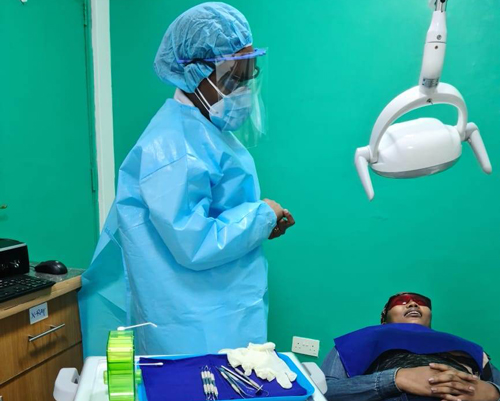
Dental Consultation
A consultation is basically an evaluation of the current condition of your teeth. If you haven’t seen a dentist in a while, you may be worried or embarrassed about the current state of your teeth. We simply want to help you restore your teeth to the best possible condition, improving your health and well-being. We always like to gain an accurate picture of the status of any potential patients Oral Health, and any wants and needs they have so we can make a full diagnosis, explain the issues and then tailor the treatment plan around what the patient wants and may need.

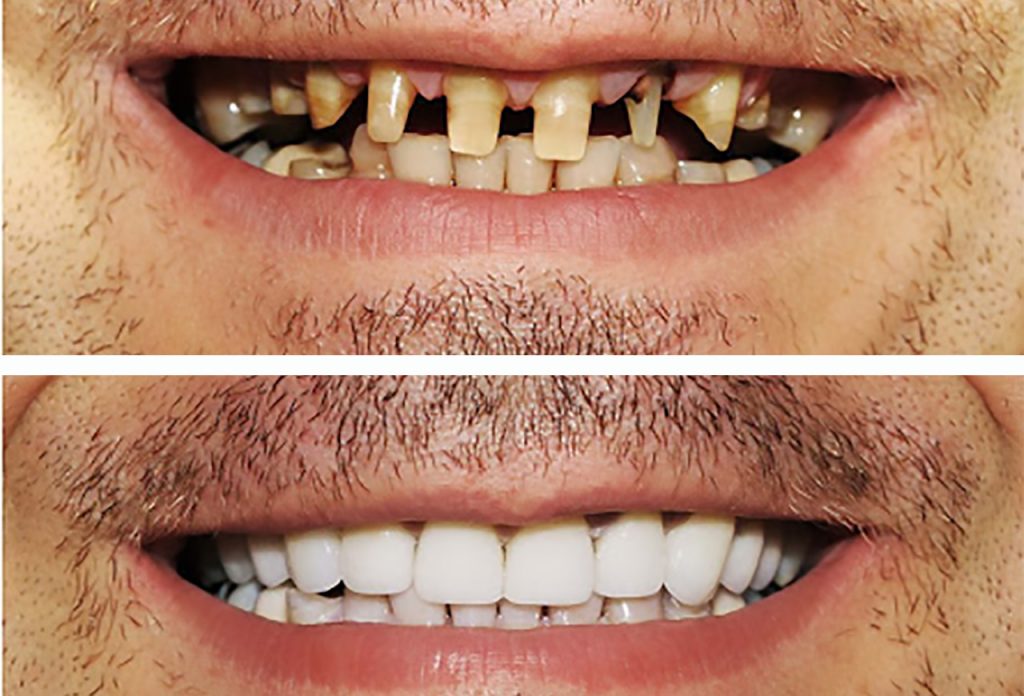
Smile Makeover
Every smile makeover is customized to improve the appearance of your teeth. When you want to look like the best version of yourself, when you want to look like a celebrity or a VIP, when you want to look younger, happier, healthier, smarter, and even wealthier, a smile makeover from the experienced team at Jasmine Dental in Nairobi can get you there. You will enjoy the way you look after your smile makeover and you will also enjoy renewed self-confidence.
Dentures and Braces
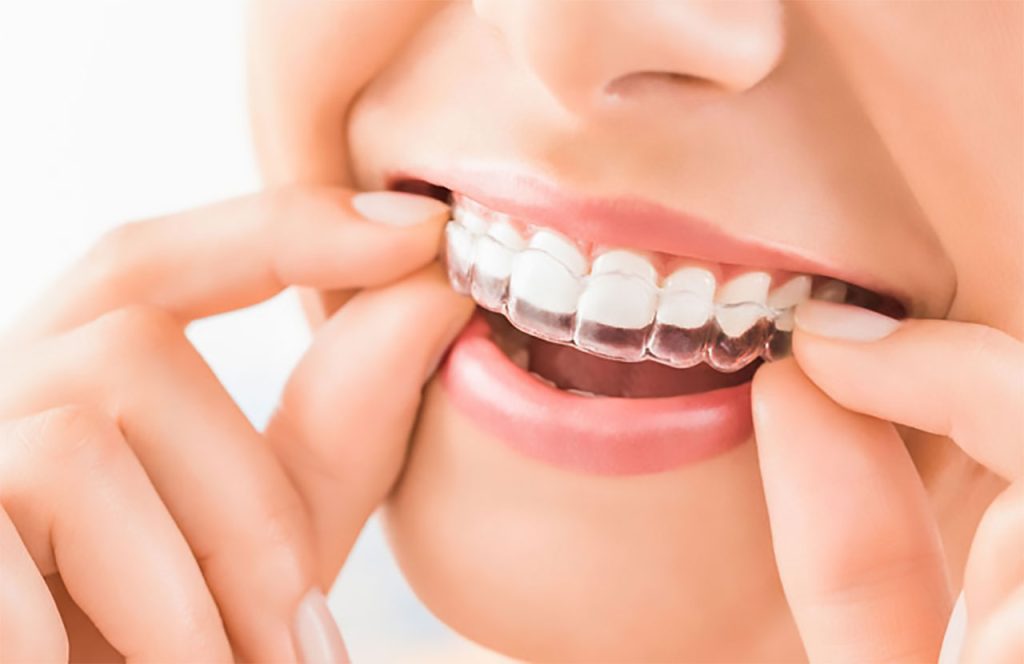
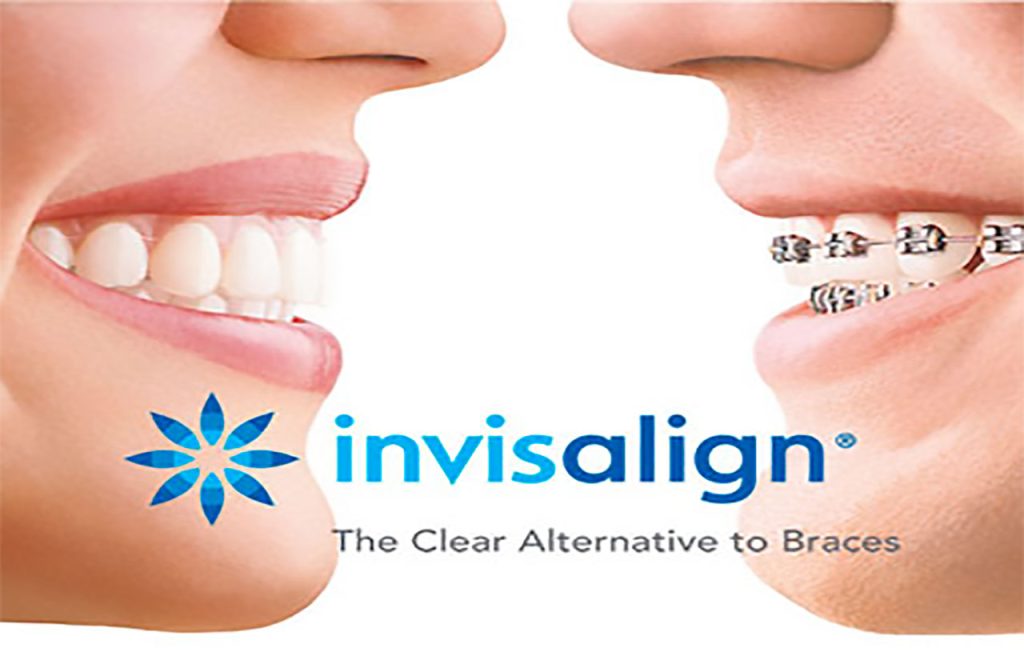
Complete dentures are used to replace missing teeth for people with no remaining teeth. They may also be used for people who have lost several teeth. In this case, the appliance is called a partial or over-denture. Dental braces are a type of orthodontic treatment used to correct teeth that are crowded, crooked, protruding, out of alignment or have irregular spacing. By moving the teeth into the ideal position, braces help create a more attractive and healthy smile for both children and adults. And now available are invisalign clear braces so you can smile without any visible braces being seen!

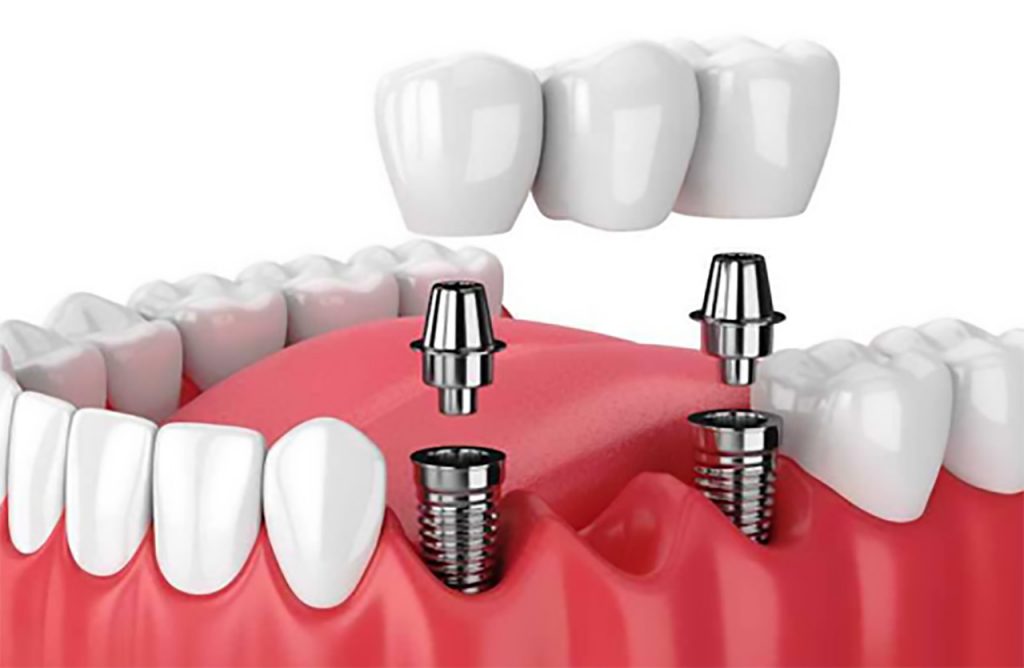
implants
Dental implants are artificial tooth roots used to support a restoration for a missing tooth or teeth, helping to stop or prevent jaw bone loss. The implantation procedure is categorized as a form of prosthetic (artificial replacement) dentistry, but also is considered a form of cosmetic dentistry. By replacing missing tooth roots, dental implants provide people with the strength and stability required to eat all the foods they love, without struggling to chew.
Dental restoration
Dental restoration or simply dental fillings, are treatments used to restore the function, integrity, and morphology of missing tooth structure resulting from caries or external trauma.

children's dentistry
Infants and children are not immune to oral health problems. What your children eat affects their teeth. Sugars (found in cake, cookies, candy, milk and juice) and starches (found in pretzels and potato chips) can cause tooth decay. We provide comprehensive dental care so that children can stay in excellent oral health. With ongoing, regular appointments, we can identify and treat infections early so that your child can avoid feeling any discomfort or having premature tooth loss.
F.A.Q.
Have a question that is not answered below? Feel free to give us a call and ask!
An average, healthy adult person typically benefits from a professional cleaning and checkup every six months. While twice daily brushing and daily flossing go a long way towards maintaining a healthy mouth, it is wise to check for plaque that has hardened into tartar, requiring professional cleaning to avoid gingivitis.
Our dental clinic currently accepts Jubilee Insurance, CIC Insurance, Minet Insurance, UAP-Old Mutual Insurance, AAR Insurance, Britam, Kenbright, Liaison, Unisure, Sedgwick, Chancery Wright, NHIF, M-tiba, Metlife cover, Vitality cover, United Healthcare cover and employees of Kenya Airways and Postbank Kenya. We are always working towards adding more providers so keep checking with us or contact us for details. Welcome.
Please bring the following items with you to your appointment:
Patient Information Form
Dental Insurance Card (if applicable)
Identification such as Driver’s License, Military ID or State ID
Patient Health History
Many people do not see a dentist on a regular basis. They only go when they have a problem. This is known as “crisis treatment” versus “preventive treatment.” While these patients may feel they are saving money, it often ends up costing much more in dollars and time. This is because many dental problems do not have symptoms until they reach the advanced stages of the disease process. An example is tooth decay. It is typical to hear, “Nothing hurts… I don’t have any problems.”
Tooth decay often does not hurt until it gets close to the nerve of the tooth. It is not uncommon to see a patient with a huge cavity who has never felt a thing. The dentist can usually detect a cavity 3-4 years before it develops any symptoms. This early detection can help you prevent root canal treatment.
Flossing reduces the number of bacteria in your mouth. There are millions of these microscopic creatures feeding on food particles left on your teeth. These bacteria live in plaque which can be removed by flossing. Brushing your teeth gets rid of some of the bacteria in your mouth. Flossing gets rid of the bacteria the toothbrush can’t get to. That’s the bacteria hiding in the tiny spaces between your teeth. If you do not floss, you allow plaque to remain between your teeth. Eventually it hardens into tartar. Plaque can be removed by brushing. Only the dentist can remove tartar.
Ask your dentist to show you the proper way to floss. You will both notice the difference at the next cleaning appointment.
Make it fun! If you are enthusiastic about brushing your teeth, your children will also be enthusiastic. Children want to do the things their parents do. If your children see you brushing your teeth and displaying good dental habits, they will follow. Ask the dentist for other creative ways to get children to brush their teeth.
Getting your children to brush starts with taking them to the dentist at an early age. All children should be seen by their first birthday or 6 months after the eruption of the first tooth.
Always spend two to three minutes brushing your teeth. It takes that long to get rid of the bacteria that destroy tooth enamel. Do not brush too hard. It takes very little pressure to remove bacteria and plaque. Floss at least once a day. Flossing is the only way to get bacteria from between your teeth.
Watch the sugar you eat. There is sugar in candy, fruits, crackers and chips. These are the foods that the bacteria in your mouth like best. Be mindful of foods like raisins and peanut butter that stick to your teeth. They can provide a constant supply for the bacteria eating into your teeth. Try to minimize the times during the day when sweet items are eaten and brush your teeth afterwards.
If you cannot brush after a meal, rinse your mouth with water – which can help to remove food from your teeth. Chewing sugarless gum after a meal can also help. Chewing deskulates the flow of your saliva which acts as a natural plaque-fighting substance. And do not forget your regular dental visits. Good dental habits will go a long way toward a no-cavity visit.
Oral injuries are often painful, and should be treated by a dentist as soon as possible. If you have knocked out a tooth, these tips may be able to save it:
Rinse, do not scrub, the tooth to remove dirt or debris
Place the clean tooth in your mouth between your cheek and gum or under your tongue
Do not attempt to replace the tooth into the socket as this could cause further damage
Get to the dentist. Successful re-implantation is possible only when treatment is performed promptly
If it is not possible to store the tooth in the mouth of the injured person, wrap the tooth in a clean cloth or gauze and immerse it in milk.
When you are asleep, production in your mouth decreases. Since your saliva is the mouth’s natural mouthwash, most people experience morning breath. Bacteria found on teeth in the crevices and on the taste buds of the tongue, break down the food particles, which produce sulfur compounds. It is actually these sulfur compounds which give our breath a bad odor. During desk, your saliva helps to wash away bacteria and food particles. Your saliva also helps to dissolve the foul smelling sulfur compounds.
Chronic, long-term mouth odor can be a sign of more serious illness. See your dentist if this is a concern.
Sensitivity toothpaste, which contains strontium chloride or potassium nitrate are very effective in treating sensitive teeth. After a few weeks of use, you may notice a decrease in sensitivity. Highly acidic foods such as oranges, grapefruits and lemons, as well as tea and soda can increase tooth sensitivity, and work against sensitivity toothpaste. If you do not get relief by brushing gently and using desensitizing toothpaste, see your dentist. There are special compounds that can be applied in-office to the roots of your tooth to reduce – if not eliminate – the sensitivity. High-fluoride containing home care products can also be recommended to help reduce tooth sensitivity.
Ask the friendly staff at Jasmine Dental for more information on sensitive teeth.
Periodontal disease is inflammation and infection of the gums and supporting bone structure, which if left untreated, can cause permanent jaw bone destruction and possible tooth loss. Untreated periodontal disease has been linked to increased risk for conditions such as heart disease, stroke, low birth weight babies, pre-term delivery, respiratory disease, and prostate cancer. An advanced stage of periodontal disease exhibits inflamed gums pulling away from your bone and teeth. Other signs of periodontal disease include:
Bad breath
Red or swollen gums
Loose teeth or teeth that have moved
Sensitive teeth
Pus coming from around the teeth
Pain when chewing
Tender gums
Bleeding gums
Treatment of early periodontal disease can be performed in-office. However, advanced stages may require surgery. Periodontal disease can be prevented and treated successfully by seeing your dentist and dental hygienist regularly and following recommended care plans.
Like other investments, if you whiten your teeth, the length of time you can expect it to last will vary. If you smoke, drink red wine or coffee, or consume other acid-containing foods, your bright smile may begin to yellow more quickly than you expect. In general, a teeth whitening procedure can last up to a few years. And even though the results can fade, occasional touch-ups can be done to regain luster.
Ask the experienced staff at Jasmine Dental about the long-term benefits of teeth whitening.
Commercial whitening toothpastes vary greatly in their ability to whiten teeth. They work by removing surface stains from the teeth with the use of mild abrasives. However, unlike professional whitening, some whitening toothpastes do not alter the intrinsic color of the teeth. Toothpastes that are effective in removing stains can also destroy tooth enamel in the process. These toothpastes use harsh abrasives. With repeated use, harsh abrasives begin to damage tooth enamel and can contribute to increased tooth sensitivity. If you would like to try a whitening toothpaste, consult with your dentist first.
Visits to the dentist include more than just “checking teeth.” While patients who wear dentures no longer have to worry about dental decay, they may have concerns with ill fitting appliances or mouth sores to name a few. Annual visits to the dentist (or sooner if soreness is present) is recommended. During these visits, an oral cancer screening and head and neck exam will be performed as well as an evaluation of the fit or need for replacement of the existing appliances. Regular visits can help you to avoid more complicated problems down the road.